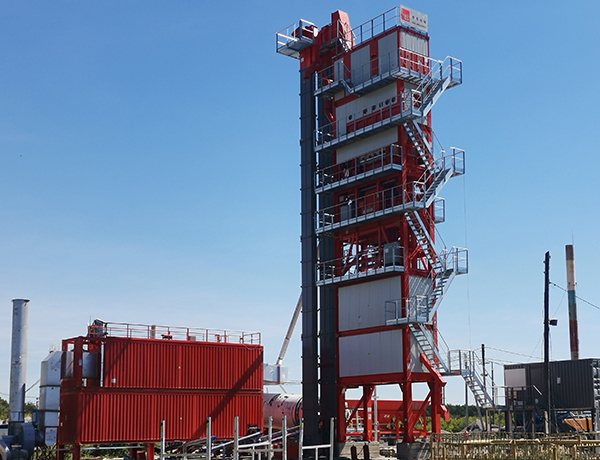
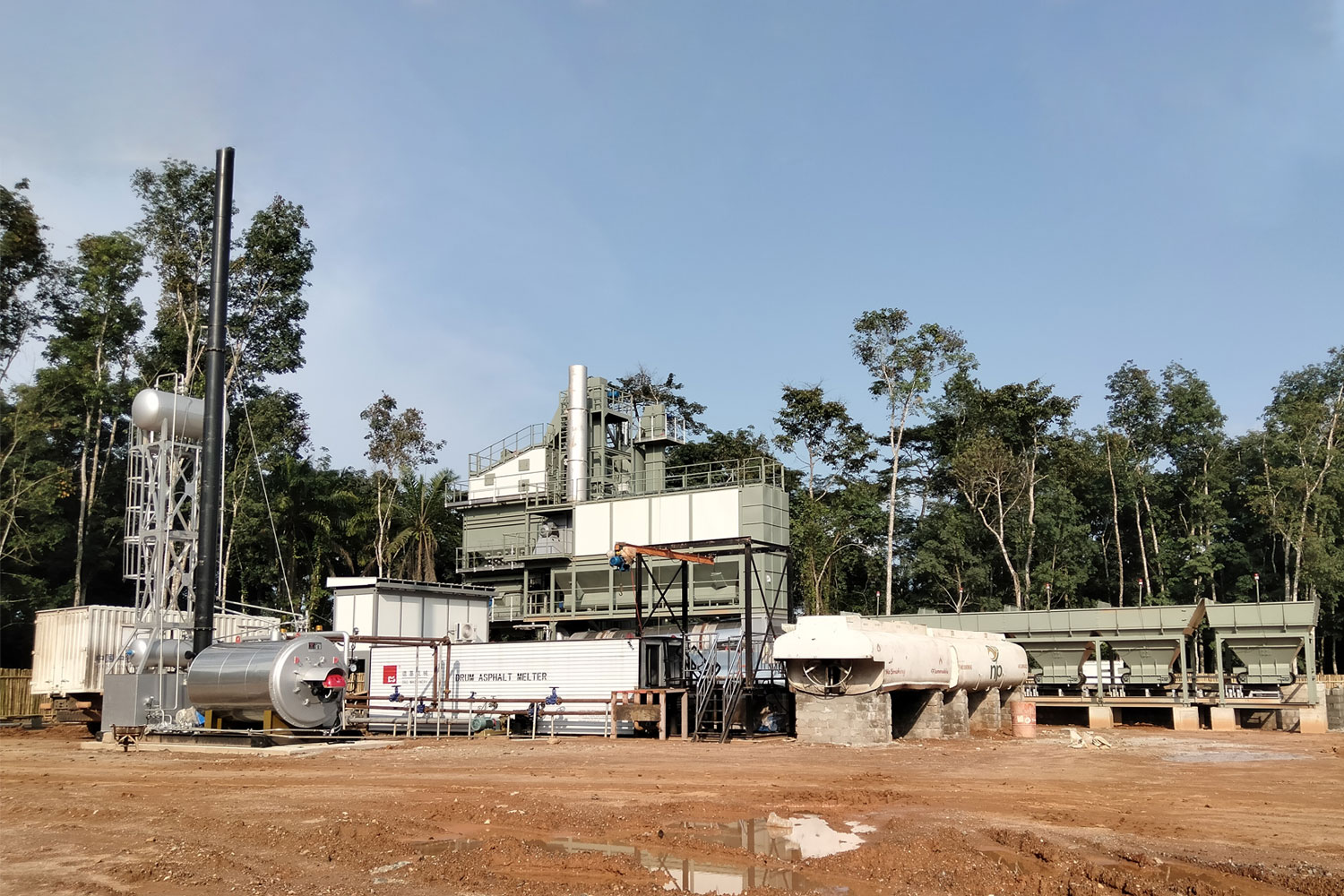
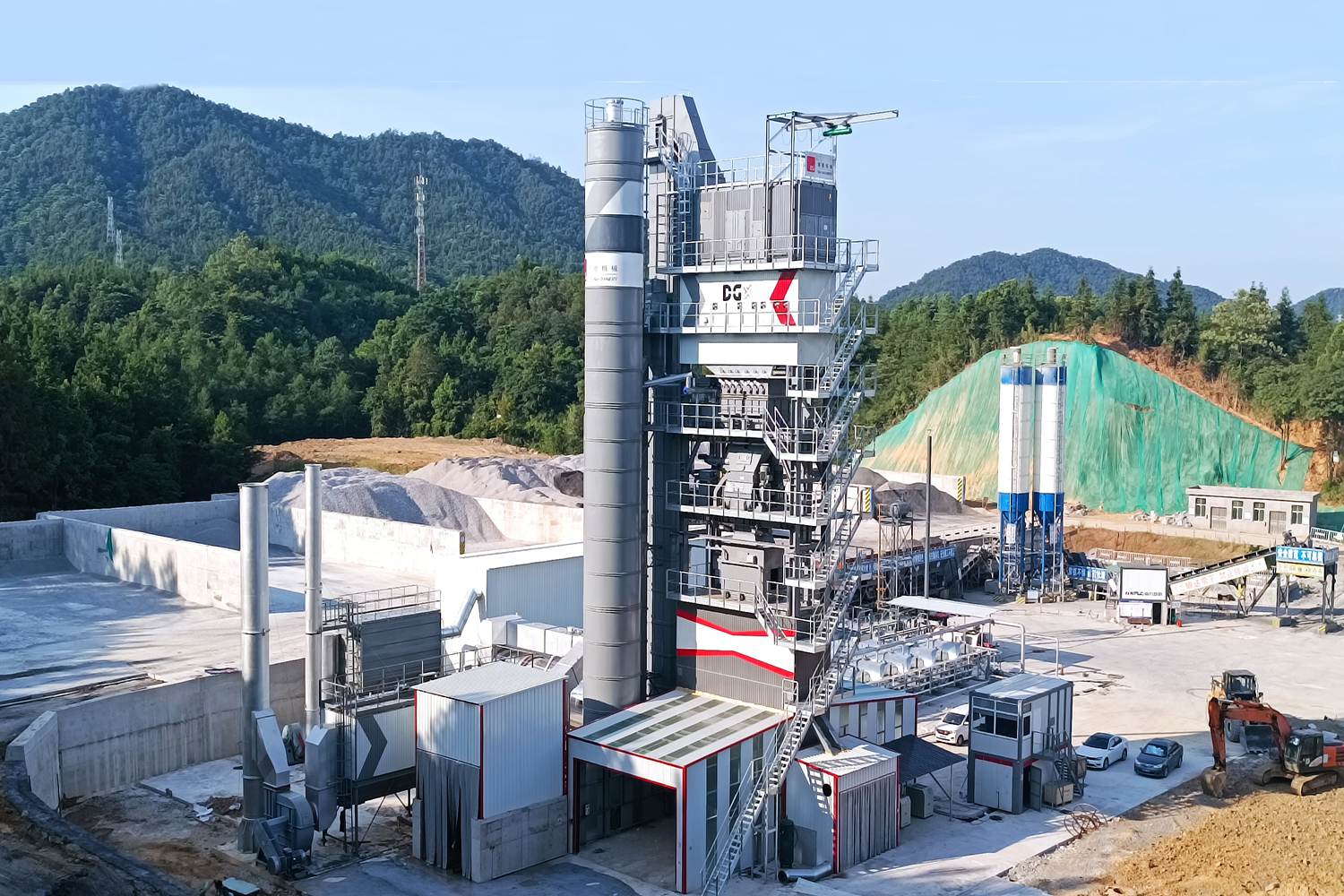
The environmental impact of batch type hot mixing plants is a critical topic in the context of construction and civil engineering. These facilities play a vital role in producing asphalt for road construction and maintenance tasks. However, their operation can lead to various environmental concerns that need to be effectively managed.
One of the primary environmental impacts associated with batch type hot mixing plants is air pollution. The process of heating aggregates and mixing them with bitumen can release volatile organic compounds (VOCs), particulate matter, and other harmful emissions into the atmosphere. This release can contribute to poor air quality in surrounding communities, leading to health risks for local populations.
Additionally, the noise generated by these plants during operation can be disruptive to both human and wildlife populations. The machinery involved in asphalt production can produce significant sound levels, resulting in disturbances that affect the quality of life for nearby residents and the behavior of local wildlife.
Another significant concern is the potential for soil and water contamination. Batch type hot mixing plants are often susceptible to leaks and spills of hazardous materials. If not properly managed, excess asphalt and other chemicals can seep into the ground and contaminate local soil and groundwater resources, impacting ecosystems and drinking water supplies.
Proper regulatory frameworks and best practices are essential for mitigating these environmental impacts. Implementing pollution control measures, adopting cleaner technologies, and enforcing strict operational guidelines can significantly reduce the ecological footprint of batch type hot mixing plants. Furthermore, ongoing monitoring and community engagement are crucial to address public concerns and promote transparency about the environmental practices of these facilities. Overall, while batch type hot mixing plants are necessary for infrastructure development, their environmental impacts require careful consideration and management to safeguard public health and the environment.
Content Disclaimer
The content provided on this website is for informational purposes only. Some of the information, articles, images, and other materials available on this site may be sourced from third-party websites and public domain resources. While we make every effort to ensure the accuracy and reliability of the information, we do not take responsibility for the content provided by external sources.