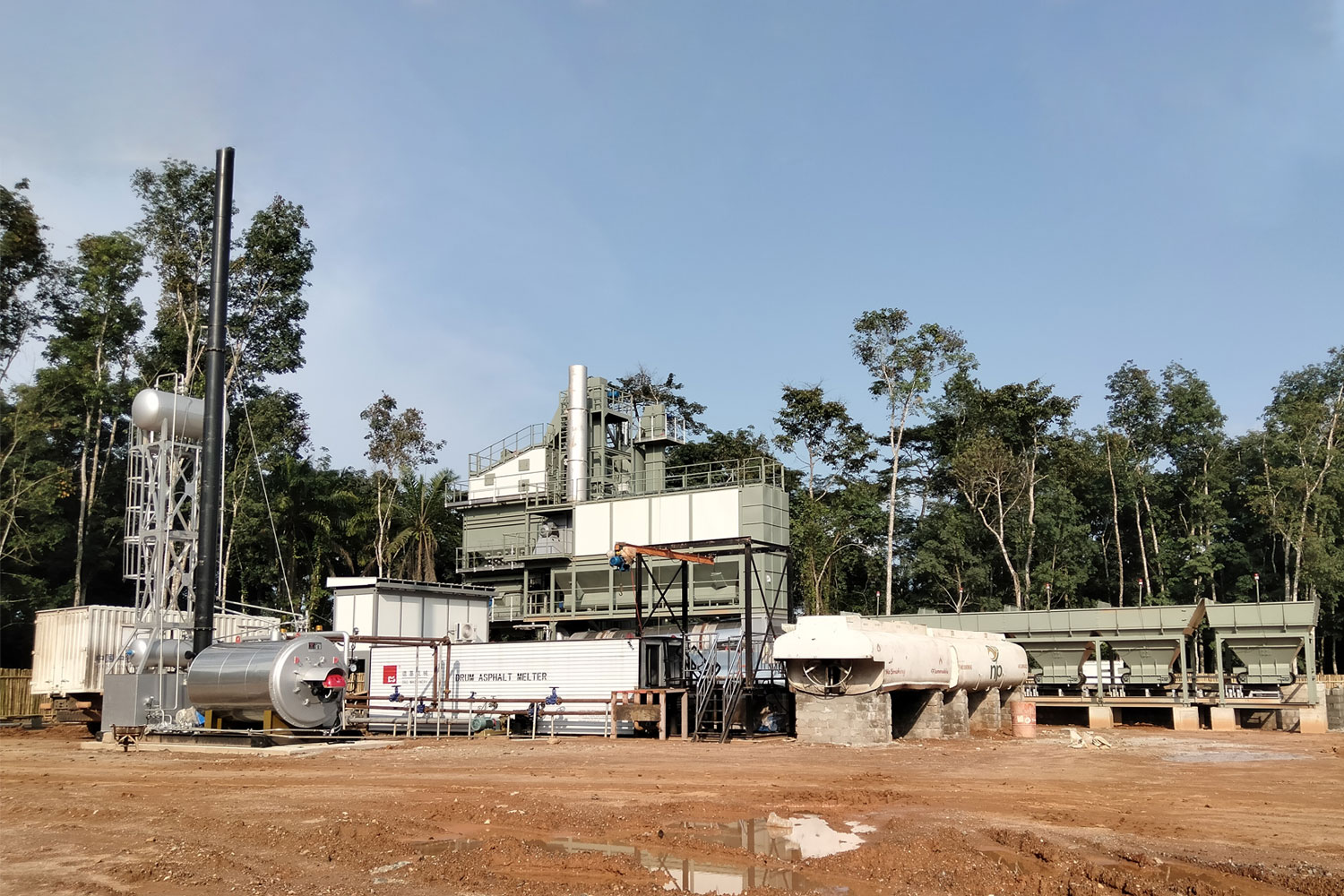
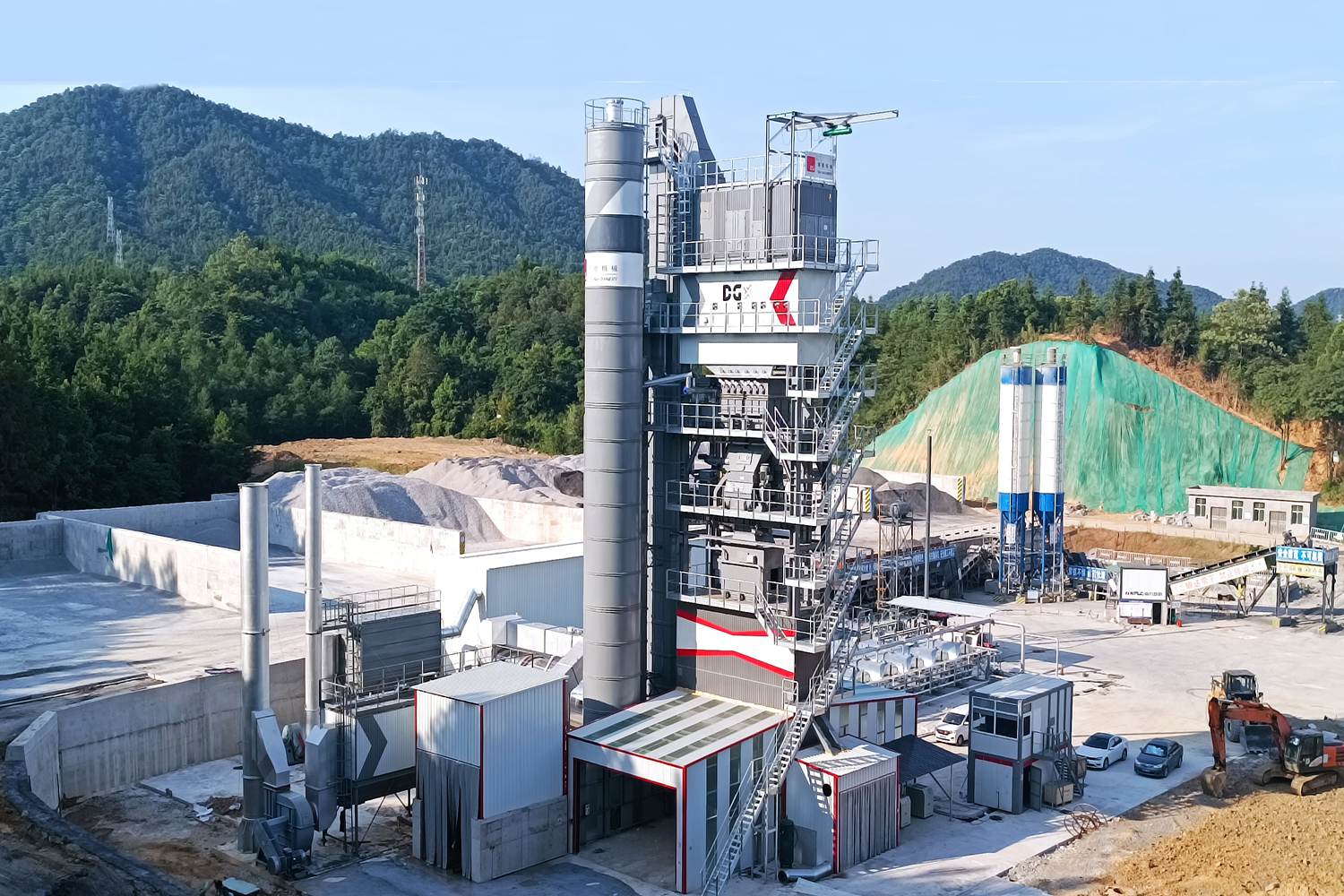
This article discusses the importance and components of the Pollution Control System in Batch Type Hot Mixing Plants, emphasizing its role in reducing emissions and enhancing sustainability in the construction industry.

SEARCH
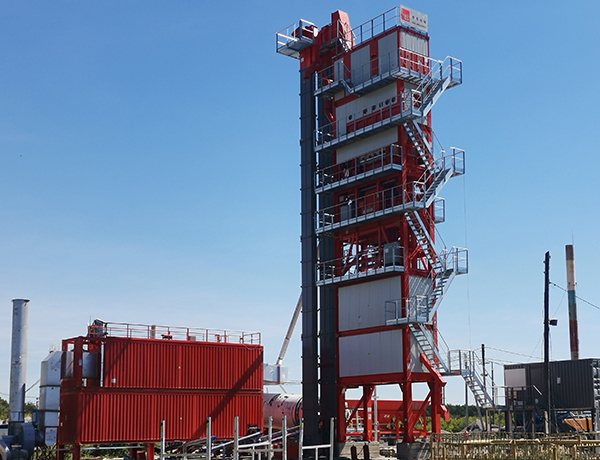
This article discusses the importance and components of the Pollution Control System in Batch Type Hot Mixing Plants, emphasizing its role in reducing emissions and enhancing sustainability in the construction industry.
Content Disclaimer
The content provided on this website is for informational purposes only. Some of the information, articles, images, and other materials available on this site may be sourced from third-party websites and public domain resources. While we make every effort to ensure the accuracy and reliability of the information, we do not take responsibility for the content provided by external sources.
This article discusses the essential functions and processes of an Asphalt Manufacturing Plant. It highlights the materials used, the customization of asphalt mixtures for various projects, safety concerns, modernization, and sustainability practices involved in asphalt production.
The Electric Batch Type Hot Mixing Plant is a state-of-the-art asphalt production facility that uses electric power for cleaner and more efficient operations. It offers precise batching for high-quality asphalt, reduces emissions, and provides versatility for various construction applications, aligning with modern sustainability goals.