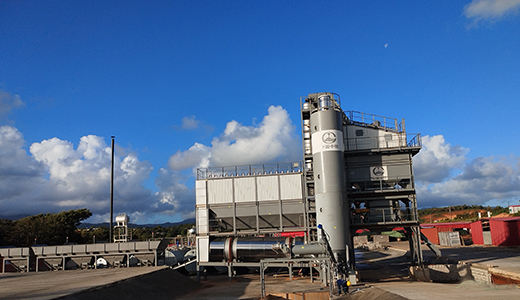
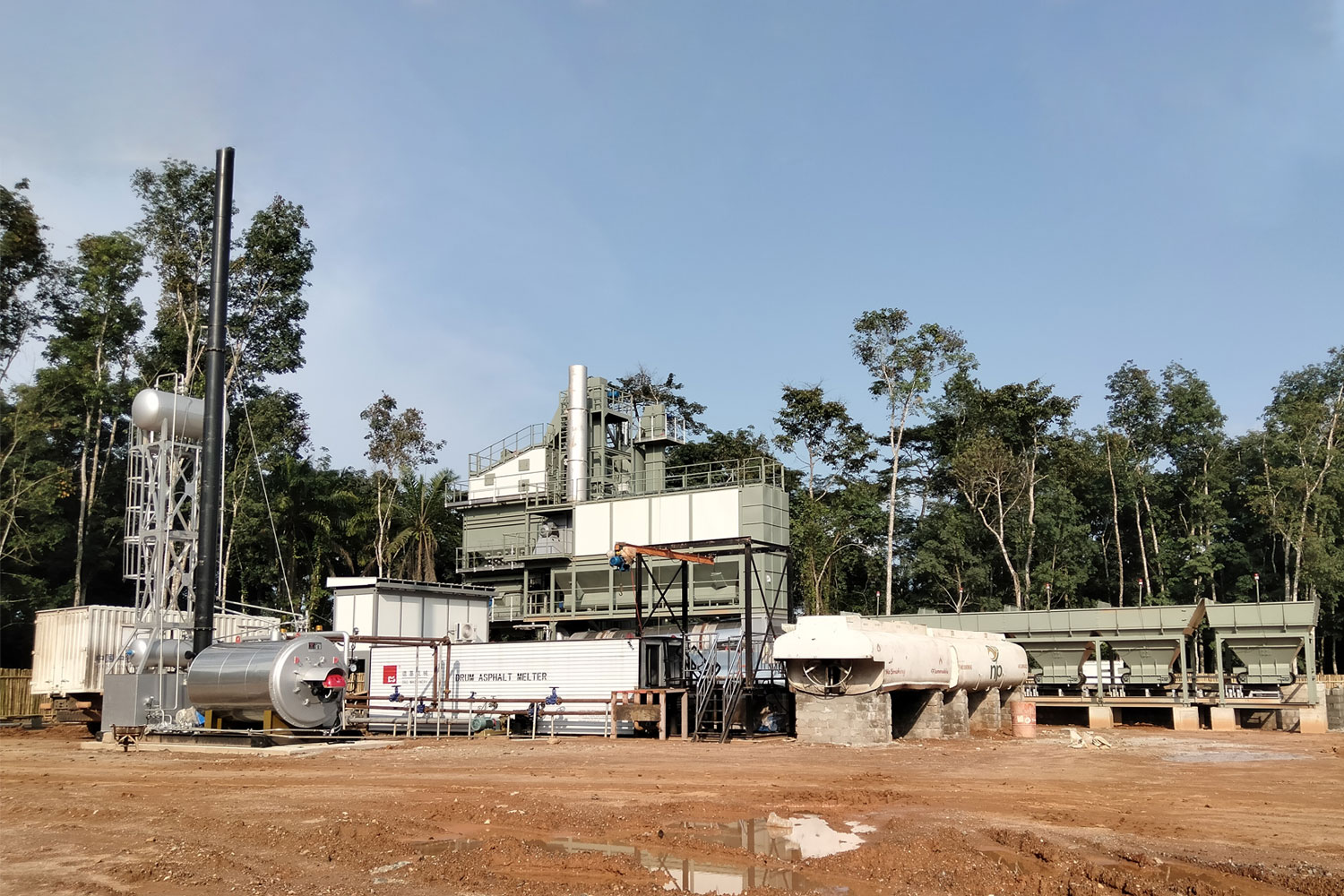
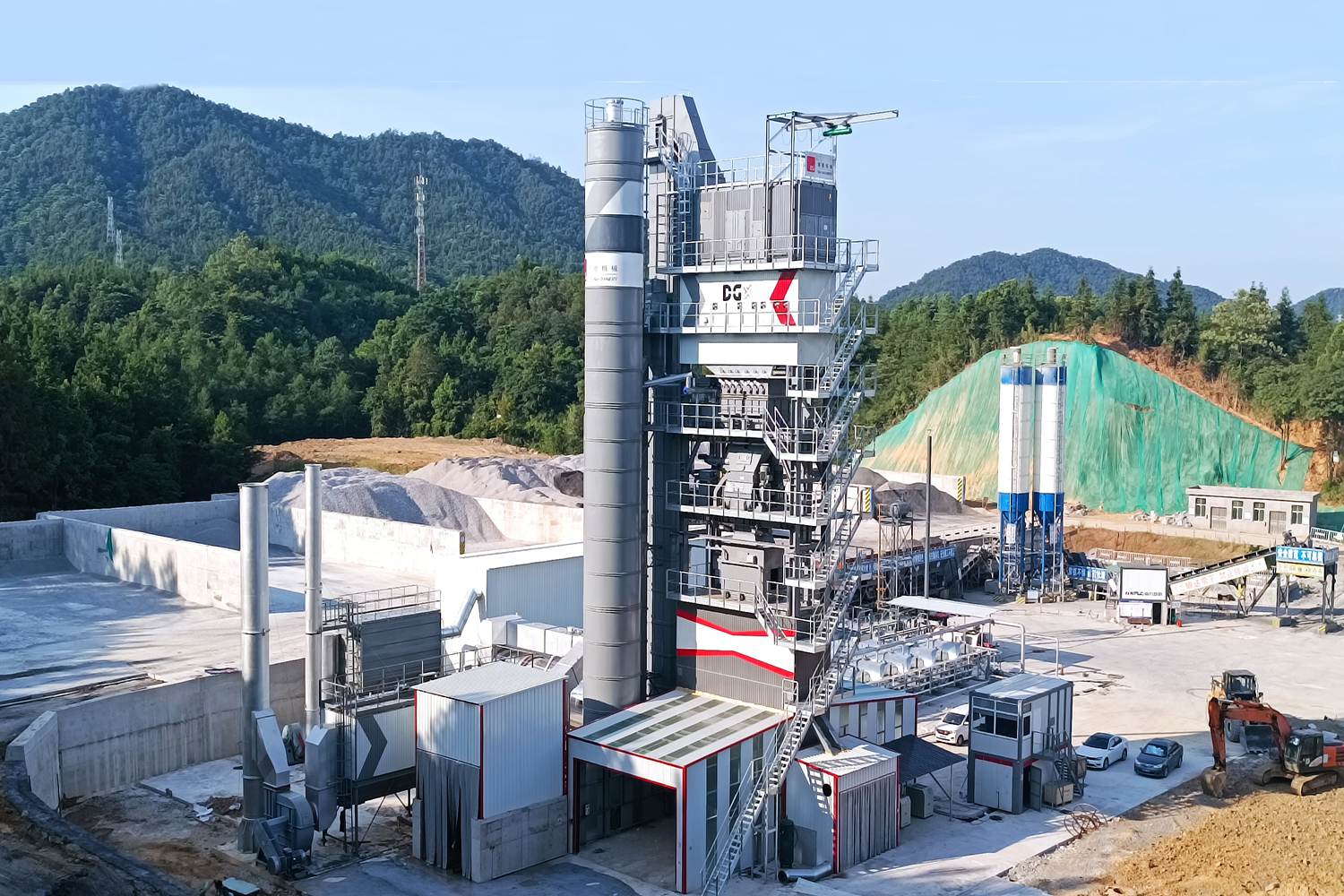
Temperature control in batch-type hot mixing plants is a critical aspect of the overall operational efficiency and product quality. These plants are commonly used in the construction industry for producing asphalt mixtures, which are essential for road construction and maintenance. The main objective of temperature control in these plants is to ensure the optimal mixing of materials while minimizing energy consumption and emissions.
The temperature control system typically involves several key components, including heating units, temperature sensors, and control software. The heating units are designed to provide a consistent source of heat to the aggregates and asphalt binder, ensuring they reach the desired mixing temperature before they are combined in the mixing chamber.
Effective temperature control starts with the preheating of aggregates. The aggregates must be heated to a suitable temperature to enable proper coating and adhesion to the asphalt binder. This is where temperature sensors play a crucial role, continuously monitoring the temperature of both the aggregates and the binder. The data collected by these sensors is vital for the control software to make real-time adjustments to the heating output.
Moreover, maintaining a uniform temperature throughout the mixing process is essential to achieve a high-quality asphalt mix. Variations in temperature can lead to inconsistencies in the mixture, affecting its durability and performance. Therefore, the control system needs to account for factors such as ambient temperature and humidity, which can influence the heating process.
In addition to production quality, energy efficiency is a significant concern in batch-type hot mixing plants. Implementing advanced temperature control systems can help reduce fuel consumption and lower operational costs. By optimizing the heating process and minimizing heat loss, plants can operate more sustainably.
In conclusion, effective temperature control in batch-type hot mixing plants is vital for ensuring high-quality asphalt production while also promoting energy efficiency. As technology advances, the integration of more sophisticated control systems will likely continue to improve the performance and sustainability of these facilities.
Content Disclaimer
The content provided on this website is for informational purposes only. Some of the information, articles, images, and other materials available on this site may be sourced from third-party websites and public domain resources. While we make every effort to ensure the accuracy and reliability of the information, we do not take responsibility for the content provided by external sources.